
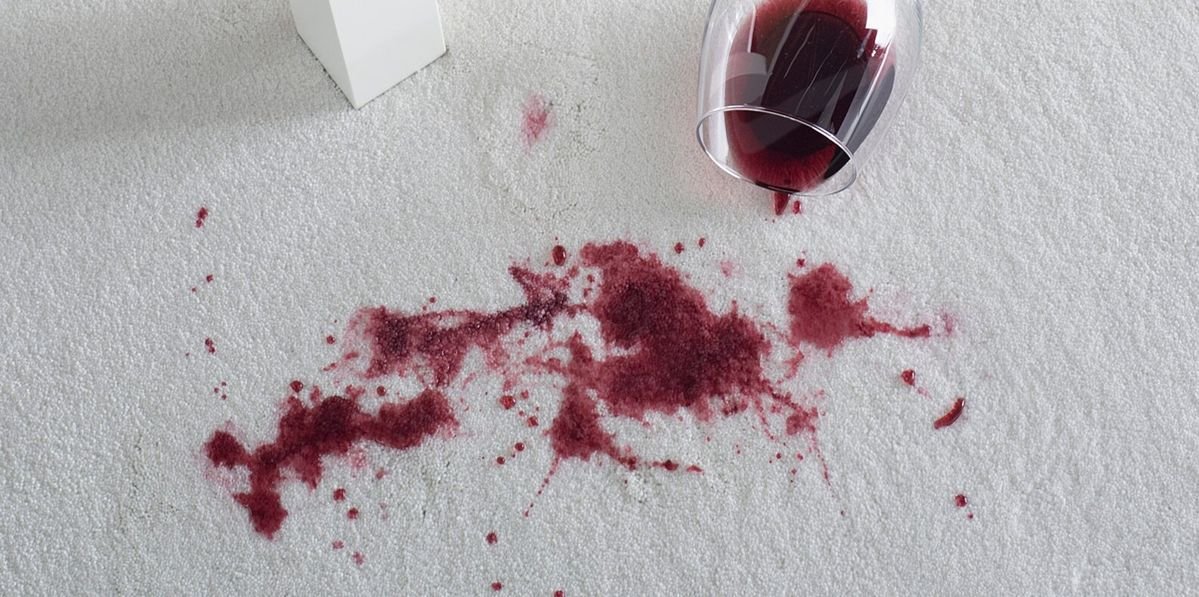
It's Friday evening. A glass of red wine tips over onto beige carpet. Panic sets in. You grab the nearest towel, pour on some water, and start scrubbing as hard as you can. Twenty minutes later, the stain is bigger, the fibers look frayed, and you're Googling "how to remove carpet stains safely" at midnight.

Sound familiar? You're not alone — and you're not doing anything unusual. The problem is that most DIY carpet cleaning instincts are exactly wrong. The things that feel like they should work — scrubbing harder, adding more water, reaching for that supermarket spray — often cause permanent damage that's far more expensive to fix than the original spill.

Here are the five most common carpet cleaning mistakes we see in homes across NJ, NY, and CT — and what to do instead. Based on 10+ years of professional carpet cleaning and stain rescue work.
Mistake 1: Scrubbing the Stain Instead of Blotting
This is the most instinctive — and most damaging — reaction to a fresh spill. Vigorous scrubbing feels productive, but it causes two problems at once.
It destroys the carpet fibers. Most residential carpet is made with twisted or tufted fibers. Scrubbing untwists them, frays the tips, and creates a visibly roughed-up patch that looks worn even after the stain is gone. That texture damage is permanent — no cleaning method can re-twist a fiber.
It pushes the stain deeper. Instead of lifting the spill out of the carpet, scrubbing drives it down through the fiber layer and into the padding underneath. Once a stain reaches the pad, surface cleaning can’t reach it — and you’ll see it reappear within days as moisture wicks it back up.
What to do instead: Blot gently with a clean white cloth or paper towel. Press down, lift straight up, and repeat. Work from the outside edges of the stain inward to avoid spreading it. White cloth matters — colored towels can transfer dye onto wet carpet.
Mistake 2: Using Too Much Water (Overwetting)
When blotting alone doesn’t fully remove a stain, the next instinct is to add water. A little moisture can help — but most people use far too much, and that’s where real damage begins.
Mold and mildew risk. Excess water soaks through the carpet into the padding and subfloor. In New Jersey’s humid climate, that trapped moisture creates the perfect breeding ground for mold growth — often invisible under the carpet until you notice a musty smell weeks later.
Backing degradation. Carpet backing is held together with adhesive that weakens when saturated. Repeated overwetting causes delamination — the backing separates from the fibers, creating bubbles, ripples, and permanent structural damage.
Wicking stains. Too much water dissolves the stain and carries it deeper. As the carpet dries, that dissolved stain wicks back up to the surface — the frustrating “ghost stain” that keeps coming back after every cleaning attempt.
What to do instead: Use minimal moisture. Dampen the cloth, not the carpet. If you need to apply a cleaning solution, spray it onto the cloth first, then blot — never pour liquid directly onto the stain.
Mistake 3: Reaching for the Wrong Chemical Cleaners
The supermarket cleaning aisle is full of brightly colored carpet sprays that promise to remove any stain instantly. Some of them work in the short term — but many create bigger problems than the original spill.
- Bleaching agents. Some stain removers contain oxygen bleach or hydrogen peroxide at concentrations too strong for carpet dye. The stain disappears — along with the carpet’s original color, leaving a permanent light spot.
- Sticky residue. Many sprays leave a soapy or tacky residue deep in the fibers. That residue attracts dirt like a magnet. Within a few weeks, the “cleaned” area looks dirtier than the rest of the carpet because every bit of foot traffic deposits grime into the sticky patch.
- Chemical stain-setting. Some cleaners react with specific stain types — particularly protein-based stains like blood, milk, or pet accidents — and bond them permanently to the fiber. A stain that a professional could have removed in minutes becomes irreversible after the wrong product is applied.
What to do instead: For most fresh spills, plain cold water and blotting is your safest first step. If you want a cleaner on hand, choose a pH-neutral, residue-free carpet spotter recommended by carpet manufacturers. Always test any product on a hidden area first — inside a closet or behind furniture — and wait 24 hours before using it on a visible stain.
Mistake 4: Relying on Rental Carpet Cleaning Machines
Grocery store and hardware store carpet cleaner rentals seem like a budget-friendly alternative to professional service. At $30–50 per day, they feel like a smart move. But there’s a reason professionals exist.
Low suction power. Rental machines operate at a fraction of the pressure and vacuum force of professional equipment. They push cleaning solution into the carpet but can’t extract it effectively — leaving carpets soaking wet for 24–48 hours. That extended moisture is a direct path to mold, mildew, and carpet damage.
Inconsistent water temperature. Most rental units heat water with a small internal element that loses temperature quickly. Professional truck-mounted hot-water extraction systems maintain consistent high-temperature water throughout the job — that heat is what breaks the bond between deep-set dirt and carpet fibers.
Dirty equipment. Rental machines go from home to home with minimal cleaning between uses. Dirty tanks, worn brushes, and residue from previous users can actually introduce contaminants into your carpet.
The math doesn’t always work. A $40 rental plus $20 in cleaning solution, plus 3–4 hours of your time, plus the risk of overwetting and damage — compared to a professional service that’s done in under an hour, dries faster, and comes with the guarantee of proper equipment and technique.
Mistake 5: Waiting Too Long to Treat a Stain
Life gets busy. A spill happens, you do a quick blot, and you tell yourself you’ll deal with it properly this weekend. Then the weekend passes. Then a month. By the time you address it, the stain won’t budge.
Here’s why: carpet fibers have dye sites — microscopic slots where color bonds to the material. When a stain sits on the fiber, its pigments gradually migrate into those same dye sites. Over hours and days, the stain essentially becomes part of the carpet’s color. Heat from sunlight and foot traffic accelerates this bonding process.
A fresh coffee spill takes 30 seconds to blot away. That same spill after 48 hours may need professional stain treatment. After a week, it may be permanent.
What to do instead: Treat every stain immediately, even if the full cleaning has to wait. A quick blot with cold water and a clean cloth buys you time by preventing the stain from bonding. Then schedule professional cleaning as soon as possible — especially for red wine, coffee, pet accidents, and ink, which are the fastest-setting stain types.
When DIY Isn’t Enough — Let Professionals Handle It
None of these mistakes make you a bad homeowner. They’re the natural instincts that almost everyone follows. The problem is that carpets are more delicate and more chemically complex than they appear — and the gap between DIY methods and professional results is wider than most people realize.
Professional carpet cleaners use truck-mounted hot-water extraction equipment that delivers high-pressure heated water deep into the carpet and extracts it — along with embedded dirt, allergens, bacteria, and stains — in a single controlled pass. Carpets dry in hours, not days. No residue. No overwetting. No guesswork.
Atom Cleaning Co. serves homeowners and renters across NJ, NY, and CT with professional carpet cleaning, stain treatment, and pet odor removal — all using eco-friendly, pet-safe solutions. If you’ve got a stain you’ve been fighting, or carpets overdue for a deep clean, stop risking damage and let us handle it. See our carpet cleaning services for details or get a free quote in 24 hours.