
Wood surfaces add warmth, texture, and a natural feel to any interior, but they require proper care to maintain their appearance over time. Daily use, dust, spills, and sunlight can gradually wear down the finish, making the surface look dull or damaged. Without consistent maintenance, even high-quality wood can lose its original beauty much faster than expected.
Understanding how to clean and protect wood correctly is key to preserving its durability. The right approach not only keeps surfaces looking clean but also extends their lifespan and prevents costly repairs or replacements.
WHY WOOD SURFACES NEED SPECIAL CARE
Unlike many other materials, wood is sensitive to moisture, temperature changes, and harsh chemicals. Even small amounts of water can seep into the surface, leading to swelling, warping, or long-term damage. At the same time, dust and dirt can create fine scratches that slowly wear down the protective finish.
Another common issue is using the wrong cleaning products. Many standard cleaners are too aggressive for wood and can strip away protective coatings, leaving the surface exposed. Over time, this can lead to fading, discoloration, and a rough texture that is difficult to restore.
Because of this, proper care isn’t just about cleaning — it’s about protecting the material and maintaining its natural finish.
HOW TO CLEAN AND PROTECT WOOD PROPERLY
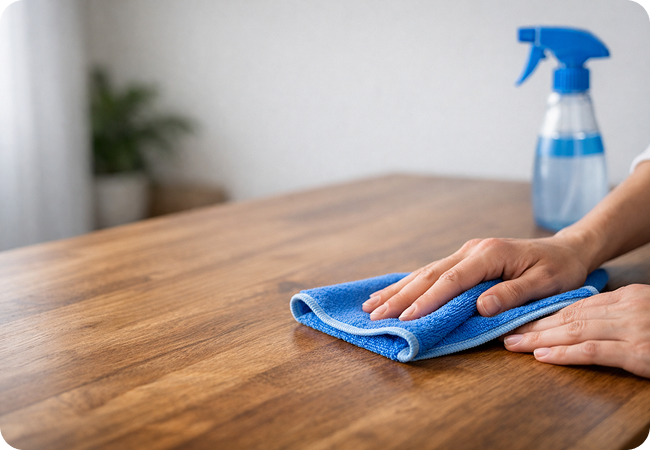
The best way to care for wood surfaces starts with regular, gentle cleaning. Using a soft microfiber cloth helps remove dust without scratching the surface. It’s important to avoid excess moisture — instead of soaking the surface, use slightly damp cloths and dry immediately after cleaning.
Choosing the right products also makes a big difference. Wood-safe cleaners are designed to clean effectively without damaging the finish. Avoid harsh chemicals, abrasive tools, or excessive scrubbing, as these can cause permanent damage over time.
Protection is just as important as cleaning. Using coasters, avoiding direct sunlight, and cleaning spills immediately can prevent long-term wear. For deeper care, occasional professional cleaning can help restore the surface, remove buildup, and maintain its original look.
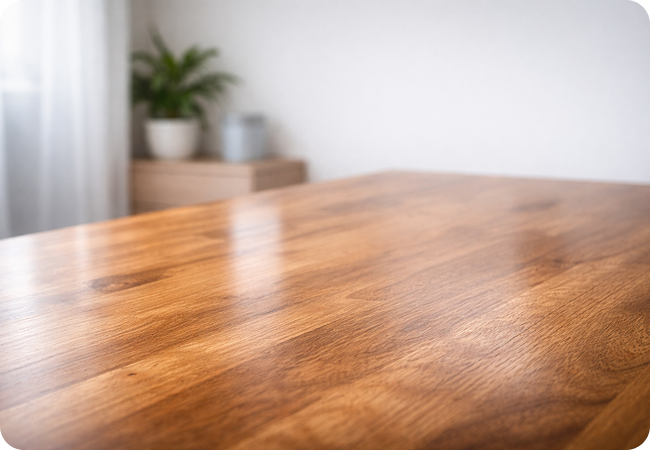
With the right care routine, wood surfaces can stay beautiful and durable for years. Simple habits like gentle cleaning and proper protection go a long way in preserving their natural appearance. And when deeper maintenance is needed, professional cleaning helps keep your wood surfaces looking their best.
Keeping your home clean seems simple, but many common habits can actually do more harm than good. While regular cleaning helps maintain a fresh space, using the wrong techniques or products can damage surfaces, spread dirt, or make problems worse over time. These small mistakes often go unnoticed, but they can affect both the appearance and hygiene of your home.
Understanding what to avoid is just as important as knowing what to do. By correcting a few key habits, you can clean more effectively, protect your surfaces, and get longer-lasting results.
Mistake 1: USING THE WRONG CLEANING PRODUCTS
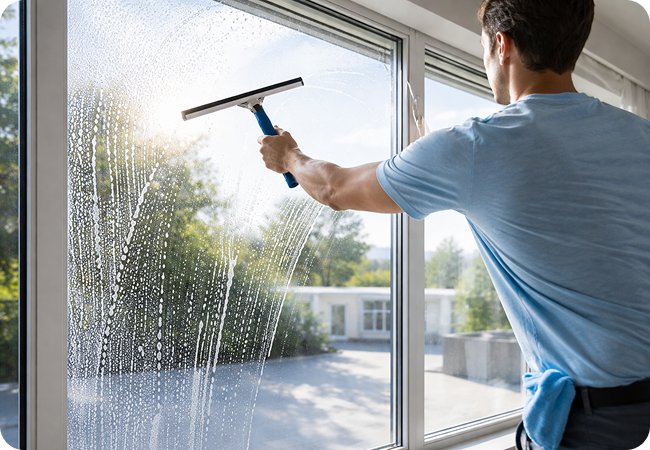
One of the most common mistakes is using products that aren’t suitable for the surface being cleaned. Different materials require different care, and a cleaner that works well on one surface may damage another. For example, harsh chemicals can strip finishes from wood, discolor fabrics, or leave streaks on glass.
Many people also assume that stronger products deliver better results, but this isn’t always true. In some cases, aggressive cleaners can weaken materials or create buildup over time. Choosing the right, surface-specific products helps protect your home while ensuring effective cleaning.
Mistake 2: OVERWETTING SURFACES
Water is often used as a universal cleaning solution, but too much moisture can cause serious issues. Materials like wood, upholstery, and carpets absorb water easily, which can lead to warping, stains, or even mold if not dried properly.
Another common problem is leaving surfaces damp after cleaning. Moisture trapped in fabrics or flooring can create lingering odors and reduce indoor air quality. Using the right amount of water — and allowing proper drying — is essential for safe and effective cleaning.
Mistake 3: CLEANING TOO QUICKLY OR IRREGULARLY
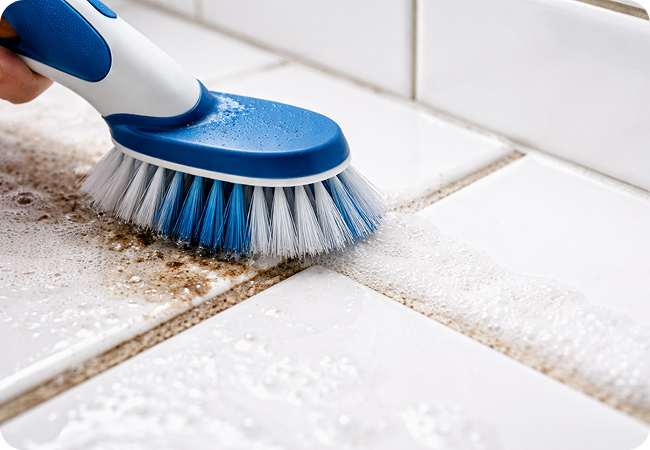
Rushing through cleaning tasks can lead to missed areas and ineffective results. Skipping steps or not allowing cleaning solutions enough time to work reduces their effectiveness and often leaves dirt behind.
At the same time, inconsistent cleaning habits allow dust, grime, and buildup to accumulate over time. This makes future cleaning more difficult and may require deeper, more intensive treatment. A regular cleaning routine, combined with proper techniques, helps maintain a cleaner and healthier space.
Mistake 4: IGNORING DEEP CLEANING
Surface cleaning is important, but it doesn’t address what’s beneath. Carpets, upholstery, and air systems can trap dust, allergens, and bacteria that aren’t visible but still affect your environment.
Without occasional deep cleaning, these hidden contaminants build up and impact both cleanliness and air quality. Professional cleaning or specialized methods help remove what regular cleaning can’t reach, providing longer-lasting results.
Mistake 5: USING DIRTY TOOLS
Cleaning with dirty tools is more common than it seems. Reusing the same cloth, mop, or sponge without proper cleaning can spread dirt and bacteria instead of removing them.
Over time, tools themselves collect residue and lose their effectiveness. Keeping your cleaning tools clean — and replacing them when needed — ensures that your efforts actually improve the condition of your space.
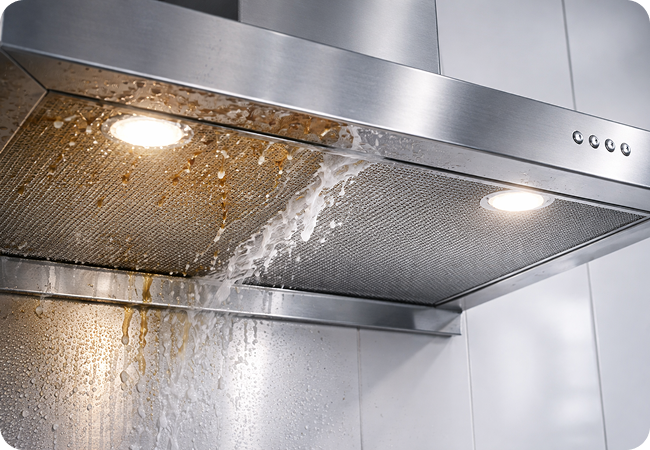
Cleaning is not just about effort — it’s about doing it the right way. Avoiding these common mistakes can make a significant difference in how your home looks and feels. With better habits and the right approach, you can achieve cleaner, healthier, and longer-lasting results.
Keeping your home or business clean takes time and effort, but regular cleaning doesn’t always deliver the results you expect. While everyday maintenance helps maintain a tidy space, it often only removes surface-level dirt. Over time, dust, bacteria, and buildup can accumulate in places that are harder to reach, affecting both appearance and overall hygiene.
Professional cleaning goes beyond what standard methods can achieve. With the right equipment and techniques, it targets deep загрязнення and restores surfaces more effectively. This is why many homeowners and businesses turn to professional services when they want long-lasting, noticeable results.
DEEPER CLEANING, BETTER RESULTS
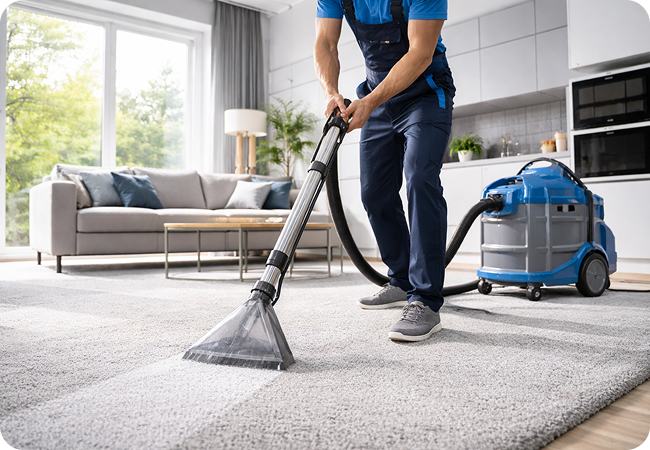
One of the biggest differences is the level of cleaning itself. Professional equipment is designed to remove dirt, stains, and allergens from deep within surfaces like carpets, upholstery, and air systems. Unlike basic tools, it reaches below the surface where most contaminants build up.
This deeper approach not only improves how things look but also how they feel and function. Carpets become softer, fabrics look fresher, and surfaces regain their original appearance. It’s a level of clean that’s difficult to achieve with standard household methods.
TIME, EFFICIENCY, AND CONSISTENCY
Another key advantage is efficiency. Professional teams follow structured processes that ensure every area is cleaned properly and consistently. Instead of spending hours trying to achieve the same result, you get faster and more reliable outcomes.
Consistency is also important, especially for commercial spaces or recurring maintenance. Regular professional cleaning helps prevent buildup before it becomes a bigger problem, keeping your space in better condition over time.
HEALTHIER ENVIRONMENT
Cleaning isn’t just about appearance — it directly affects your environment. Dust, allergens, and bacteria can accumulate in carpets, furniture, and air systems, impacting indoor air quality and overall comfort.
Professional cleaning helps remove these hidden contaminants, creating a cleaner and healthier space. This is especially important for homes with pets, children, or anyone sensitive to allergens. A deeper clean means fresher air and a more comfortable living or working environment.
LONG-TERM VALUE
Investing in professional cleaning can actually help you save money over time. Proper maintenance extends the lifespan of carpets, furniture, and other surfaces by preventing damage caused by buildup and neglect.
Instead of replacing worn or damaged materials, regular deep cleaning keeps them in good condition for longer. This makes professional services not just a convenience, but a smart long-term investment.
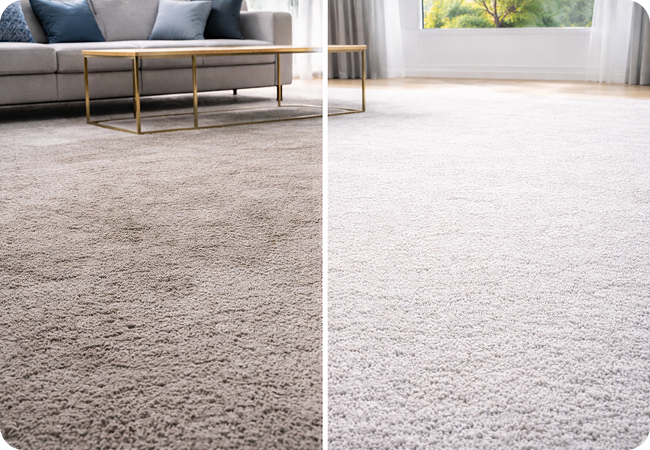
Professional cleaning is about more than just a clean look — it’s about quality, efficiency, and long-term results. By going beyond surface cleaning, it helps maintain your space, improve your environment, and protect your investment. When done right, the difference is not just visible — it’s something you can feel every day.
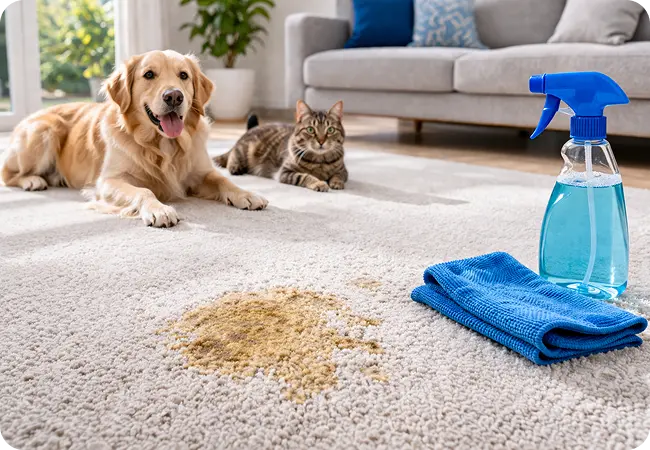
Pet stains are something almost every pet owner deals with at some point. Whether it’s a new puppy, an older pet, or just an occasional accident, these situations happen — and they often leave more than just a visible mark. What many people don’t realize is that pet stains go far beyond the surface. Moisture can soak deep into carpets, padding, and upholstery, creating the perfect environment for bacteria and persistent odors. Even after cleaning, the smell can return, especially in warm or humid conditions.
The challenge isn’t just removing what you see — it’s eliminating what’s underneath. Standard cleaning methods may improve the appearance temporarily, but without proper treatment, the problem often comes back. Understanding how stains behave and what causes lingering odors is the first step toward solving the issue properly and for good.
WHY PET STAINS ARE HARD TO REMOVE
Pet stains are different from regular dirt or spills because they contain organic compounds that break down over time. As they decompose, they release strong odors that can become deeply embedded in fibers and materials. This is why a stain might seem gone at first but reappear days later — or continue to smell even after cleaning.
Another common issue is that liquids spread further than expected. What looks like a small spot on the surface may actually cover a much larger area underneath. This makes surface-level cleaning ineffective, as it doesn’t address the full extent of the contamination. Over time, repeated accidents in the same area can build up layers of residue, making the problem even harder to eliminate.
In addition, using the wrong cleaning products can worsen the situation. Some household cleaners mask the odor instead of removing it, while others can set the stain permanently or damage the material. Without the right approach, it’s easy to turn a small problem into a long-term issue.
HOW TO CLEAN PET STAINS THE RIGHT WAY
The most important step is to act as quickly as possible. Fresh stains are much easier to treat before they have time to soak deeply into the material. Start by gently blotting the area with a clean cloth or paper towel, absorbing as much moisture as you can without rubbing. Rubbing can push the stain deeper and spread it further, making it harder to remove later.
Once the excess moisture is removed, using the right type of cleaner is essential. Enzyme-based solutions are specifically designed to break down the organic components found in pet stains. Unlike standard cleaners, they target the source of the odor instead of just covering it up. Applying the cleaner evenly and allowing it to sit for the recommended time helps ensure it works effectively.
After cleaning, proper drying is just as important as the cleaning itself. Moisture left behind can lead to lingering smells or even mold growth. Good airflow, open windows, or fans can help speed up the drying process and prevent further issues. It’s also important to avoid over-saturating the area, as too much liquid can make the problem worse instead of better.
WHEN PROFESSIONAL CLEANING IS THE BEST OPTION
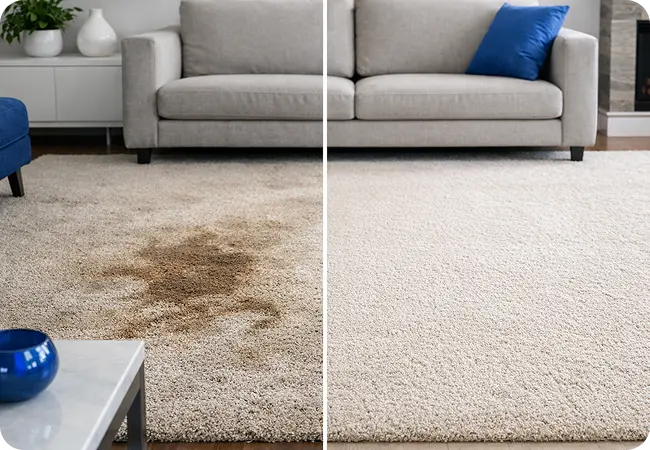
In some cases, home cleaning methods simply aren’t enough. Older stains, strong odors, or repeated accidents often require deeper extraction than household tools can provide. Professional cleaning equipment is designed to reach below the surface, removing contaminants from the base layers of carpets and upholstery.
Experts also use specialized solutions that fully neutralize odors instead of masking them. This ensures that the problem is solved at its source, rather than temporarily improved. Professional cleaning is especially important in homes with multiple pets, large affected areas, or sensitive materials that require careful handling.
Investing in proper cleaning not only improves the look of your space but also creates a healthier environment for both you and your pets. Clean surfaces reduce bacteria, improve air quality, and help maintain the overall comfort of your home.
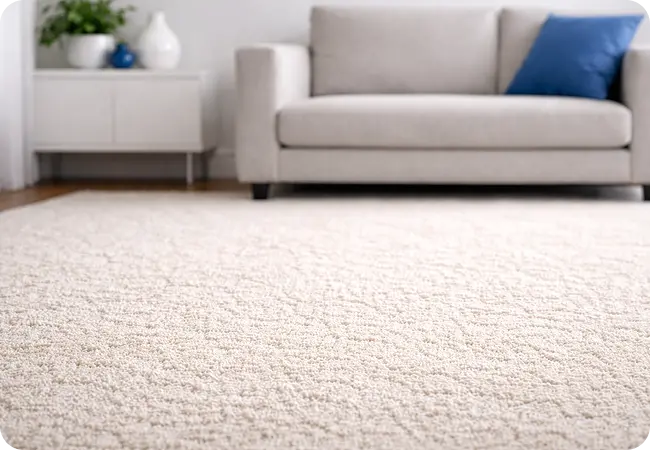
Pet stains don’t have to be a permanent problem. With the right approach, quick action, and proper cleaning methods, you can fully restore your carpets and furniture. And when the situation requires deeper treatment, professional cleaning ensures long-lasting results you can rely on.
