
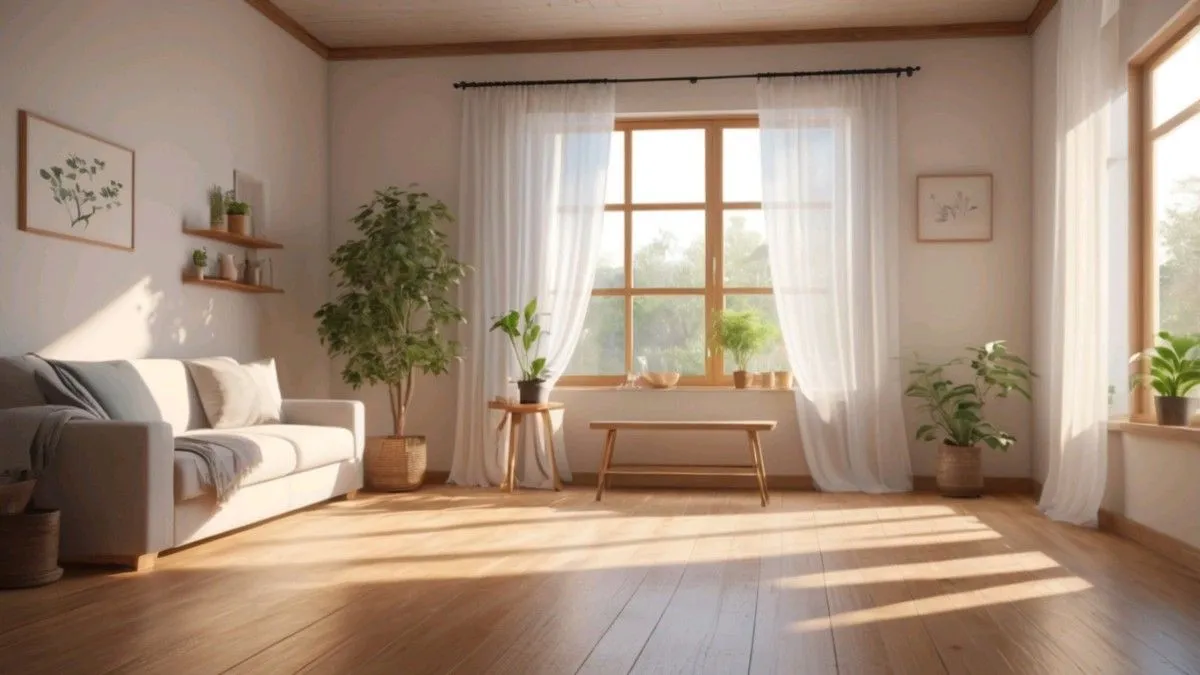
Hardwood floors are one of the highest-value features in any home — they add warmth, character, and real resale value. But that value only holds if the floors stay in good condition. A scratched, dull, or water-damaged hardwood floor doesn't enhance a home. It becomes an expensive problem.

The good news: keeping hardwood floors scratch-free doesn't require complicated products or constant effort. It requires the right daily habits, a few protective measures, and an understanding of what actually causes damage — because the biggest threats aren't always obvious.

This guide covers the practical wood floor care tips that protect your investment year-round, with specific attention to the seasonal challenges homeowners face across NJ, NY, and CT. Based on 10+ years of professional hardwood floor cleaning in the tri-state area.
The Daily and Weekly Routine That Prevents 90% of Damage
Most hardwood floor damage isn’t caused by one dramatic event. It’s caused by tiny abrasive particles — dust, sand, grit — grinding against the finish thousands of times a day under foot traffic. Removing those particles consistently is the single most effective thing you can do.
Daily: Dry Dust Mop (2–3 Minutes)
Run a microfiber dust mop across high-traffic areas every day. Microfiber attracts and traps fine particles instead of pushing them around — unlike traditional brooms, which scatter grit and can scratch the finish with stiff bristles.
Pay extra attention to entryways, kitchens, and hallways. These are the zones where outside debris concentrates first. A quick daily pass here prevents that grit from spreading to the rest of your home.
Weekly: Damp Mop With a Wood-Safe Cleaner
Once a week, damp-mop with a pH-neutral, hardwood-safe cleaner — Bona Hardwood Floor Cleaner or Method Squirt & Mop are reliable choices. Use a well-wrung microfiber flat mop. The pad should be damp, never dripping.
Never use a string mop or bucket method on hardwood. Excess water pools in seams and edges, slowly penetrating the finish and causing swelling, warping, or cloudy discoloration over time.
The Tri-State Seasonal Threat Your Floors Face
Homeowners in NJ, NY, and CT deal with weather extremes that create year-round challenges for hardwood. Each season brings a specific threat that accelerates wear if you’re not prepared.
Winter: Road salt and de-icers. From December through March, boots carry rock salt, sand, and chemical de-icing compounds directly onto your floors. These particles are harder and more abrasive than regular household dust — they scratch aggressively, and the chemical residue can etch through polyurethane finish if left sitting.
Spring: Moisture and mud. Snowmelt and spring rain mean wet shoes and muddy paw prints. That moisture is the enemy of wood — even small amounts that sit in seams or low spots compromise the finish over time.
Summer: Beach sand and humidity. If you live near the Jersey Shore or Long Island, fine sand follows you home. It’s nearly invisible, embeds in shoe treads, and acts like fine-grit sandpaper against your floor’s finish. Meanwhile, high humidity causes wood to expand — and if your floors weren’t installed with proper gaps, that expansion leads to buckling or cupping.
Fall: Dry air onset. As humidity drops and heating systems turn on, wood contracts. Gaps appear between boards. Without a humidifier maintaining 30–50% indoor humidity, those seasonal gaps can become permanent.
Your First Line of Defense: Quality Doormats
Place high-quality doormats at every exterior entrance — both outside and inside the door. A coarse exterior mat loosens grit from shoe soles. A soft interior mat catches what’s left. Together, they trap up to 80% of tracked-in debris before it ever reaches your hardwood.
Replace or shake out mats weekly during winter and summer. A full mat stops working — it just redistributes grit instead of trapping it.
Furniture Protection: Small Details, Big Impact
Furniture is responsible for more hardwood damage than most people realize — and it’s entirely preventable.
Apply felt pads to every furniture leg. Chairs, tables, sofas, bed frames, bookshelves — anything that touches the floor. Check pads every 6 months and replace them when they compress or wear through. A compressed felt pad becomes a hard disc that scratches instead of protecting.
Never drag heavy furniture across hardwood. Even with felt pads, dragging creates concentrated pressure that gouges the finish and the wood underneath. Lift and carry, or use furniture sliders designed for hard floors when rearranging rooms.
Pet Paws: Love Your Dog, Protect Your Floor
Dogs and hardwood can coexist — but untrimmed nails are a real problem. Long nails concentrate a dog’s weight into tiny points that dig into the finish with every step. Over time, you’ll see a pattern of fine scratches along every path your dog regularly walks.
Trim nails every 2–3 weeks, or whenever you hear clicking on the floor. For large breeds or active dogs, consider nail grinding (Dremel) for smoother edges that are less likely to catch and gouge. Keeping a towel by the door to wipe paws during wet seasons prevents mud and salt from being tracked across the house.
The Danger Zone: What to Never Use on Hardwood
Some of the most common cleaning tools and “hacks” are the fastest way to ruin a hardwood floor.
- Steam mops. The combination of heat and moisture forces water directly into finish seams and wood grain. This causes cloudy white patches, warping, and finish delamination. Most hardwood manufacturers explicitly void the warranty for steam mop use. This is the #1 cause of avoidable hardwood damage we see in NJ homes.
- Vinegar-and-water solutions. Vinegar is acidic. Applied regularly, it slowly eats through the polyurethane finish that protects the raw wood. After several months of vinegar mopping, floors look dull, hazy, and can’t be revived without professional refinishing.
- Furniture polish sprays (Pledge, Endust). Silicone-based products leave a slippery, waxy buildup that attracts dirt and interferes with future refinishing. Many refinishers will refuse to work on floors with heavy silicone contamination — or charge significantly more to strip it.
- Ammonia or bleach-based cleaners. Both are far too harsh for polyurethane finishes. They strip the coating, discolor the wood, and leave it unprotected against moisture and wear.
Safe alternatives: Stick with pH-neutral, residue-free cleaners specifically formulated for hardwood. Bona, Method, and manufacturer-recommended products are the safest options for routine use.
Why Professional Deep Cleaning Still Matters
Even with a perfect daily routine, hardwood floors gradually accumulate what home methods can’t fully remove. Fine grit settles into the micro-bevels between planks. Oily residue from cooking fumes and skin contact builds up in the grain. Old cleaning product residue layers over itself and dulls the surface.
Professional hardwood floor cleaning uses controlled-moisture systems and commercial-grade, pH-neutral solutions to dissolve and extract that embedded buildup without soaking the wood. Grain-line brushing lifts grit from micro-grooves that flat mops glide right over. The result is a floor that looks and feels noticeably different — the original sheen and clarity come back.
For most homes, professional cleaning every 12–18 months maintains the finish and delays the need for expensive refinishing ($3–8 per square foot) by years. Homes with pets, kids, or heavy foot traffic benefit from a 6–12 month cycle.
Protect Your Floors — They Protect Your Home’s Value
Hardwood floor maintenance isn’t complicated. Daily dust mopping, weekly damp mopping, felt pads, trimmed pet nails, and avoiding the products that cause silent damage — these habits keep your floors looking new for decades. And when it’s time for a deep clean that routine maintenance can’t match, professional service restores what daily care maintains.
Atom Cleaning Co. provides professional hardwood floor cleaning across NJ, NY, and CT — using controlled-moisture methods, pH-neutral commercial-grade solutions, and grain-line techniques safe for solid, engineered, and exotic wood species. Free assessment before quoting. See our hardwood floor cleaning services for details or get a free quote in 24 hours.